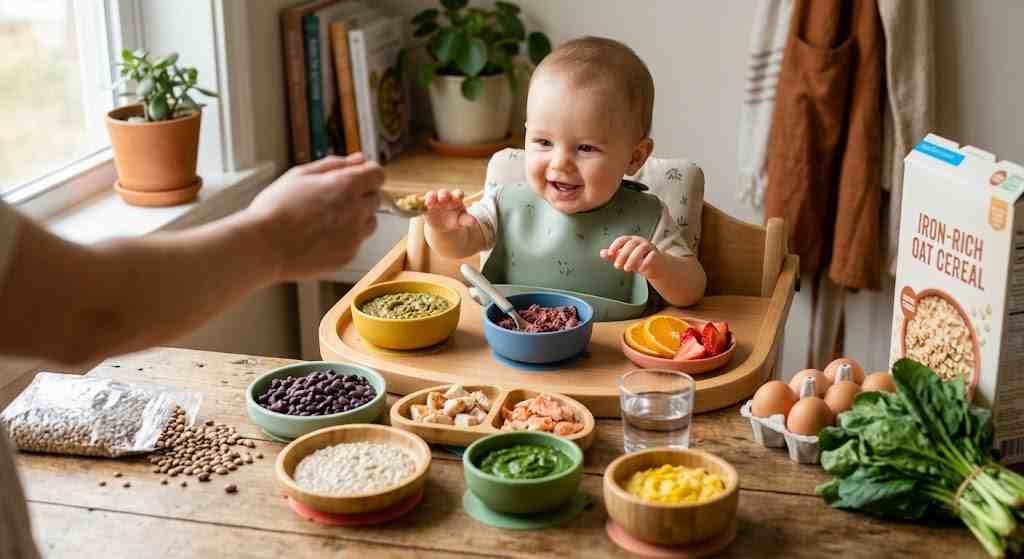
At a Glance: Infants need adequate iron starting around 6 months as their natural stores decline. Introducing iron-dense foods such as meat, poultry, seafood, beans, and fortified cereals helps support brain development and prevent anemia. Pair plant-based iron with vitamin C to boost absorption, and consult your pediatrician before giving supplements or making major dietary changes.
When you introduce solids to your children as a parent, you always look for food items that are rich in nutrients like protein, calcium, iron, etc. to fulfil the needs of the body. When a baby turns 6 to 12 months old, the need for iron in the body increases, so your child needs a daily intake of iron around 11 milligrams per day, higher per body weight than at every stage of life.
In this comprehensive guide we will break down the science of absorption of iron among infants, provide a clinical background on iron depletion, provide paediatric screening guidelines, and provide a detailed preparation guide according to age for the following 25 high iron foods for infants with nutritional profiles.
Clinical Background: Infant Iron Depletion & Physiological Impact
When pregnant women are at the end of the third trimester, a good amount of iron is naturally stored in the foetus, so when they are born, it is still there. This initial reserved iron is stored in the liver and spleen to support overall growth and neurological development when the baby is only on milk. However, when the baby turns 4 to 6 months of age, the stored iron starts to deplete naturally because of the infant’s increased weight and expansion of blood volume.
Biological Function & Cognitive Risk
Iron is an important nutrient which is needed for the synthesis of haemoglobin, for red blood cells to transport oxygen from baby lungs to systemic tissues, and for myoglobin, which supplies oxygen to cardiac and skeletal muscles.
Iron also plays an important role as an essential cofactor for enzymes; it drives central nervous system myelination, neurotransmitter synthesis and neuronal metabolism. Iron deficiency (ID) in early life can result in irreversible delays in cognition and motor development and delays in socio-emotional development and anaemia (IDA).
Paediatric Screening & Supplementation Guidelines
Paediatric guidelines: If you follow the chart as shown, you will understand better the recommended formal haemoglobin or haematocrit screening for all the babies that are 9 months or 12 months old.
| Risk Tier | Primary Clinical Indicators | Intervention Strategy |
|---|---|---|
| High Risk | Prematurity (<37 weeks), Low Birth Weight (<2500g), Maternal Anemia | Prophylactic oral iron drops from 2–4 weeks of age |
| Moderate Risk | Exclusive breastfeeding beyond 6 months without iron-rich solids introduced | Targeted high-iron solids + dietary optimization |
| Low Risk | Term, appropriate-for-gestational-age infants fed iron-fortified formula | Standard dietary solid introduction at 6 months |
Oral Iron Formulations & Side Effect Management
When the intake of nutritious food items is less or a screening shows low serum ferritin/hemoglobin, the pediatricians may give oral liquid iron drops:
- Ferrous Sulfate (FeSO₄): It is a standard and first choice of many doctors; however, it can cause gastrointestinal issues like dark greenish-black stools, mild constipation, or stomach upset.
- Iron Bisglycinate (Chelated Iron): This one is based on an amino acid chelate that is smoother on an infant’s stomach, reducing constipation while fulfilling the iron need.
Management Tip: To make better tolerance, you can divide the liquid iron drops into 2 small daily doses or give them with a vitamin C-rich food or fruit puree. Avoid giving these drops with milk or any other high-calcium food.
Medical Disclaimer: This content is for informational purposes only and does not substitute for professional medical advice. Always consult a pediatrician regarding your infant’s health, diet, or medical needs.
The Science of Infant Iron: Heme vs. Non-Heme Absorption
Iron comes naturally from food in 2 chemical forms: heme iron and non-heme iron. By knowing the difference between them, you can plan a balanced and high-yield meal for your baby.
| Iron Type | Food Sources | Absorption Rate | Bioavailability | Key Characteristic |
|---|---|---|---|---|
| Heme Iron | Meat, Poultry, Seafood, Organ Meats | 15% – 35% | High | Direct, efficient absorption; unaffected by dietary inhibitors |
| Non-Heme Iron | Beans, Lentils, Grains, Seeds, Greens, Eggs | 2% – 20% | Variable | Requires Vitamin C to boost absorption by up to 300% |
Top 25 Iron-Rich Foods for Infants & Nutritional Profiles
The following list of 25 foods are ranked all over the internet for their nutrient density, accessibility, and safety for babies who are taking solids and are between 6 and 12+ months old.
Heme Iron Powerhouses (Animal Proteins)
1. Beef Liver
It contains around 4.5 mg of iron per 1 oz when cooked. The absorption type of beef liver is heme. The liver is a rich source of vitamin A (retinol), vitamin B12, choline, and zinc. All these nutrients help in nerve tissue or brain development.
- 6 Months Preparation: You can make a cooker purée with liver and sweet potato or butternut squash.
- 9 Months Preparation: You can grate a frozen cooked liver into warm oat cereal or vegetable mashes.
- 12 Months Preparation: Always give small liver bites in a mixture of meatballs.
- Safety Tip: Only give liver 1 to 2 times per week, as it is high in vitamin A levels.
2. Sardines (Canned in Water, No Salt Added)
It contains 1.8 mg of iron per 1 oz and other nutrients like omega-3 fatty acids (DHA and EPA), which are important for brain development; soft edible calcium that is best for skeletal growth; vitamin D, which is for absorption of minerals; and a high amount of protein.
- 6 Months Preparation: You can mash sardines with avocado or yogurt until a silky smooth texture appears.
- 9 Months Preparation: Flake it into small pieces and give it the shape of pasta.
- 12 Months Preparation: You can serve flaked on whole-grain toast strips with some drops of lemon juice.
- Safety Tip: Always look for bones before serving, as it can cause issues.
3. Ground Beef or Bison
It contains 1.0 mg per 1 oz but is also rich in nutrients like zinc, which supports cellular growth, and vitamin B6 and niacin (B3), which are needed for infant tissue synthesis.
- 6 Months Preparation: You can blend cooked ground beef with some warm vegetable until a puree is formed.
- 9 Months Preparation: Always offer soft small pieces of cooked ground beef or in a meatball shape.
- 12 Months Preparation: Always give the meatballs into small patties cut into bite-sized cubes.
4. Dark Meat Chicken or Turkey (Thighs)
It contains 0.8 mg per 1 oz and other nutrients like zinc, selenium, phosphorus, and vitamin B12, which is important for thyroid hormone metabolism and bone density. If you buy dark poultry meat, it would be double in iron.
- 6 Months Preparation: You can cook dark poultry meat with broth or breast milk to make a puree.
- 9 Months Preparation: You can shred cooked thigh meat into soft, manageable strands.
- 12 Months Preparation: always serve small pieces of roast chicken or turkey thigh.
5. Pork Loin or Tenderloin
It contains 0.4 mg per 1 oz and other nutrients like a high level of thiamin (vitamin B1), which plays an important role in carbohydrate metabolism and production of energy. Riboflavin (B2), zinc, and lean complete protein.
- 6 Months Preparation: You can cook it slowly with a steamed apple or pear sauce.
- 9 Months Preparation: Avoid giving salty or seasoned finely shredded pulled pork.
- 12 Months Preparation: Always give in soft, diced pork tenderloin cubes.
Plant-Based Iron Heavyweights (Legumes, Seeds & Grains)
6. Fortified Infant Cereal (Oat or Barley)
It contains 3.5–5.0 mg of iron per 2 tbsp of dry cereal and other nutrients like electrolytic iron, zinc, calcium, and key B vitamins to bridge the iron gaps and provides carbohydrates that are easy to digest.
- 6 Months Preparation: You can add oats into breast milk, formula, or warm water and add strawberry or peach puree.
- 9 Months Preparation: You can make a thick and mashed raspberries as topping.
- 12 Months Preparation: You can use it as a replacement for flour in baking items like mini baby pancakes or oat bites.
7. Red Lentils
It contains 1.6 mg of iron per 1/4 cup cooked and other nutrients like folate (vitamin B9), which is important for DNA synthesis and cellular division, soluble fiber, which is good for gut health, potassium, and manganese.
- 6 Months Preparation: Cook the red lentils until they become soft, and then make a puree with tomato paste or carrots.
- 9 Months Preparation: You can serve thick lentil dahl for self-scooping with fingers.
- 12 Months Preparation: You can also mix this cooked red or brown lentils into rice or quinoa bowls.
8. Hemp Seeds (Ground or Shelled Hearts)
It contains 1.6 mg of iron per 1 tbsp and other nutrients like alpha-linolenic acid (ALA), which is an important plant omega-3 fatty acid, magnesium for neuromuscular function, vitamin E antioxidants, and phosphorus.
- 6 Months Preparation: You can use hemp seeds as a topping on pureed fruits like mango or kiwi.
- 9 Months Preparation: You can roll the seeds into avocado slices or peach wedges.
- 12 Months Preparation: You can add it into warm oatmeal, yogurt, or pancake batter.
9. White Beans (Cannellini or Navy Beans)
It contains 1.2 mg of iron per 1/4 cup cooked and other nutrients like copper, which helps in utilizing enzymatic iron. Potassium for fluid balance, magnesium, soluble fiber, and plant protein.
- 6 Months Preparation: You can blend it with olive oil and lemon juice to make a smooth dip.
- 9 Months Preparation: You can just mash beans with a fork and let the light texture stay.
- 12 Months Preparation: You can also serve whole, soft-cooked white beans but in little pieces to reduce the risk of choke hazards.
10. Chickpeas (Garbanzo Beans)
It contains 1.1 mg of iron per 1/4 cup cooked with other nutrients like folate and magnesium that help in bone formation, dietary fiber, and slow carbs for better digestion.
- 6 Months Preparation: You can blend it into low-sodium hummus with lemon juice and red pepper.
- 9 Months Preparation: You can serve mashed chickpea salad mixed with yogurt.
- 12 Months Preparation: Flatten cooked chickpeas before offering as finger food.
11. Black Beans
It contains 0.9 mg of iron per 1/4 cup cooked. Black beans are also rich in protective anthocyanins (polyphenol antioxidants), magnesium, calcium, and plant protein, which are essential for muscle growth.
- 6 Months Preparation: You can make a puree with black beans, sweet red bell, and pepper juice.
- 9 Months Preparation: You can also mash it and add on soft corn tortilla.
- 12 Months Preparation: You can give flattened black beans with diced mango cubes.
12. Pumpkin Seeds (Pepitas)
It contains 1.2 mg of iron per 1 tbsp (ground) pumpkin seeds, which are also rich in other nutrients like zinc and magnesium that support nervous activity, fatty acids, and tryptophan, an amino acid that influences serotonin and melatonin.
- 6 Months Preparation: You can grind the raw pumpkin seeds into a fine powder and sprinkle it into warm fruit purees.
- 9 Months Preparation: You can just mix ground seeds into mashed sweet potato.
- 12 Months Preparation: You can also use raw pumpkin seed butter over toast strips.
- Safety Warning: Never give your child whole or chopped seeds, as they lead to choking risk.
13. Tahini (Unsalted Sesame Seed Paste)
It contains 1.3 mg of iron per 1 tbsp. Tahini also includes other nutrients like calcium, which is important for bones; sesamin antioxidants; healthy unsaturated fats; copper; and B-vitamins.
- 6 Months Preparation: You can add tahini in small amounts to warm vegetable purees or breast milk.
- 9 Months Preparation: You can thin tahini with the help of lemon juice, then drizzle it on steamed vegetable spears.
- 12 Months Preparation: You can spread tahini on whole-grain toast strips.
- Safety Warning: Sesame is an allergen, so for safety, always introduce it to kids in small amounts.
14. Tofu (Firm or Silken)
It contains 1.0 mg of iron per 1 oz and other nutrients like calcium, selenium, and isoflavones, which are plant proteins and have all amino acids.
- 6 Months Preparation: You can blend silken tofu with papaya or mango puree.
- 9 Months Preparation: You can cut tofu into thin finger sized when offering to babies.
- 12 Months Preparation: You can give small bite-sized cubes of firm tofu to kids, either seared or steamed.
15. Chia Seeds
It contains 1.0 mg of iron per 1 tbsp and other nutrients like alpha-linolenic acid (ALA omega-3), calcium, phosphorus, and antioxidants.
- 6 Months Preparation: To make a chia pudding, you can soak chia seeds in breast milk, formula, or coconut milk.
- 9 Months Preparation: You can mix soaked chia seeds in mashed fruit puree.
- 12 Months Preparation: You can add ground chia seeds into morning oat porridge or baking items like in muffin batters.
16. Quinoa
It contains 0.7 mg of iron per 1/4 cup cooked and other nutrients like complete protein, flavonoids (quercetin and kaempferol), magnesium, folate, and a low glycemic index.
- 6 Months Preparation: You can cook it and then blend it with breast milk to make smooth porridge.
- 9 Months Preparation: You can give smooth quinoa with mashed avocado.
- 12 Months Preparation: You can give quinoa mixed into small vegetable patties.
17. Amaranth Grain
It contains 0.8 mg of iron per 1/4 cup cooked and other nutrients like lysine, an important amino acid that is lower in grain than cereal, squalene, magnesium, phosphorus, and calcium.
- 6 Months Preparation: You can cook amaranth grain in porridge with apple puree.
- 9 Months Preparation: You can combine grain with mashed banana.
- 12 Months Preparation: You can use grain in vegetable soups too to make a thick texture.
Tier 3: Vegetables, Fruits & Specialized Nutrients
18. Cooked Spinach
It contains 0.8 mg of iron per 2 tbsp cooked and other nutrients like vitamin K1, beta-carotene (pro-vitamin A), lutein and zeaxanthin, and folate.
- 6 Months Preparation: First steam the spinach, then add lemon juice or orange juice to make a puree.
- 9 Months Preparation: You can chop the steamed spinach and stir it into risotto or lentil dishes.
- 12 Months Preparation: You can mix chopped spinach and scrambled egg yolks or omelet strips.
19. Swiss Chard
It contains 0.7 mg of iron per 2 tbsp cooked and other nutrients like vitamin C, vitamin K, magnesium, manganese, and polyphenolic antioxidants.
- 6 Months Preparation: You can steam the leaves and puree them with pear sauce.
- 9 Months Preparation: You can chop the leaves and add them into soft grain bowls.
- 12 Months Preparation: You can stir the chopped chard in mini egg bites.
20. Egg Yolk
It contains 0.6 mg of iron per large hard-boiled yolk and other nutrients like choline, which is important for memory and cognitive brain structure; lutein; vitamin A; and folate.
- 6 Months Preparation: Hard-boil the egg, then remove the yolk and mash it with breast milk or avocado.
- 9 Months Preparation: You can crumble hard-boiled yolk on warm cereal.
- 12 Months Preparation: You can give scrambled whole egg strips or small omelet squares.
- Safety Tip: Eggs also come in a list of allergens, so never give them alone; combine them with other food items.
21. Prune Puree
It contains 0.8 mg of iron per 2 tbsp and other nutrients like sorbitol and insoluble fiber, which helps to ease constipation. Vitamin K, boron for bone health, and potassium.
- 6 Months Preparation: You can blend the steamed prunes with water to make a smooth texture.
- 9 Months Preparation: You can stir prune puree into warm oatmeal or mix it with whole milk yogurt.
- 12 Months Preparation: You can spread prune paste on grain pancakes or whole-wheat toast.
22. Steamed Broccoli
It contains 0.4 mg of iron per 2 large florets and other nutrients like vitamin C (ascorbic acid), sulforaphane, vitamin K, and dietary fiber.
- 6 Months Preparation: Puree steamed florets with olive oil.
- 9 Months Preparation: Steam the large batch until they become soft, then keep the stem as a natural handle for baby-led weaning.
- 12 Months Preparation: You can provide bite-sized pieces of soft and steamed broccoli florets.
23. Green Peas
It contains 0.5 mg of iron per 2 tbsp and other nutrients like plant protein, thiamin (B1), vitamin C, folate, and prebiotics that are beneficial for gut bacteria.
- 6 Months Preparation: First strain the outer skin, then steam and make a smooth puree.
- 9 Months Preparation: You can mash cooked peas with the help of a fork, then mix them with ricotta cheese.
- 12 Months Preparation: Always gives mashed and cooked peas before you introduce it as finger food.
24. Edamame (Young Soybeans)
It contains 0.9 mg of iron per 2 tbsp and other nutrients like soy protein, folate, vitamin K1, phosphorus, and healthy polyunsaturated fats.
- 6 Months Preparation: You can shell, steam, and puree smooth with the help of water or broth.
- 9 Months Preparation: You can mash cooked edamame with citrus juice.
- 12 Months Preparation: You can give smashed edamame beans for pincer-grasp practice.
25. Tree Nut Butters (Almond, Cashew, Walnut)
It contains 0.6 mg of iron per 1 tbsp and other nutrients like vitamin E, copper, magnesium, healthy monounsaturated fats, and plant protein.
- 6 Months Preparation: You can add small drops of unsalted nut butter on cereal or fruit puree.
- 9 Months Preparation: You can give it on sliced banana, but don’t think of adding a little milk to nut butter.
- 12 Months Preparation: You can spread it across toasted bread strips.
- Safety Warning: Never give thick globs of pure nut butter directly to infants because of choking risk.
7-Day Sample High-Iron Infant Meal Plan (6–12 Months)
This following 7-day meal plan shows you how to manage daily meals to meet the 11 mg daily target by pairing heme foods, non-heme sources, and vitamin C enhancers.
| Day | Breakfast | Lunch | Dinner |
|---|---|---|---|
| Monday | Iron-Fortified Oat Cereal + Mashed Strawberries | Sardine & Avocado Mash + Lemon Squeeze | Cooked Red Lentils with Diced Tomato Puree |
| Tuesday | Hard-Boiled Egg Yolk Mash + Kiwi Puree | Ground Beef & Pumpkin Puree | Silken Tofu Puree + Mango Cubes |
| Wednesday | Chia Seed Pudding (Breast Milk) + Mashed Raspberries | White Bean Hummus Spread + Red Bell Pepper Strips | Shredded Dark Chicken Thigh + Steamed Broccoli Florets |
| Thursday | Fortified Infant Barley Cereal + Blueberry Puree | Lentil & Spinach Dahl + Squeezed Lemon Juice | Cooked Pork Tenderloin + Steamed Apple Puree |
| Friday | Ground Hemp Seed Porridge + Mashed Papaya | Steamed Edamame Spread + Soft Orange Segments | Shredded Beef Liver Mash + Sweet Potato Puree |
| Saturday | Warm Quinoa Cereal + Mashed Peach | Pureed Black Beans + Diced Tomato Sauce | Mashed Cannellini Beans + Steamed Red Bell Pepper |
| Sunday | Mini Oat & Flax Pancakes + Mashed Blackberry Jam | Smashed Chickpeas + Steamed Broccoli Speared | Pan-Seared Firm Tofu Cubes + Papaya Puree Dip |
Frequently Asked Questions on high iron foods for infants
How do I know if my baby is getting enough iron?
Infants who are between 6 and 12 months of age need 11 mg of iron on a daily basis. The signs of iron deficiency include pale skin, cold hands and feet, slow weight gain, fatigue, and decreased appetite. If you see these signs, go to the paediatrician as soon as possible so they can do the treatment.
Can babies absorb iron from breast milk?
Yes, babies can absorb iron from breast milk; however, it contains only a low amount of iron, which is 0.35 mg per litre. Babies can absorb 50% of the iron in breast milk as compared to only 5–12% of the iron in fortified infant formulas.
Does cow’s milk interfere with iron absorption?
Yes, whole cow milk isn’t preferred as a main drink for children who are under 12 months of age. Cow milk is high in calcium and casein, which is difficult to digest by an immature digestive system.
What are dietary iron inhibitors to avoid?
Avoid foods that are rich in calcium or excessive cheese with non-heme plant iron sources. Also avoid unprocessed whole grains and unleavened raw bran.
Key Government & Public Health References
- CDC Infant and Toddler Nutrition – Iron
- Covers iron requirements, early screening, heme vs. non-heme sources, and ways to prevent pediatric iron deficiency.
- NIH Office of Dietary Supplements – Iron Fact Sheet
- Provides Recommended Dietary Allowances (RDAs), biochemical absorption mechanisms, and clinical stages of iron depletion.
- USDA & HHS Dietary Guidelines for Americans (2020–2025)
- Offers evidence-based standards for introducing nutrient-dense complementary foods to infants starting around 6 months.
- WHO Guidelines on Infant & Child Iron Supplementation
- Provides global public health protocols, screening guidelines, and clinical strategies to address anemia in early childhood.
